Why Your Loungewear Feels Cheap and Worn Out After Just a Few Washes
Quick Answer: Loungewear typically feels worn out fast because of high heat in the wash or dryer breaking down soft synthetic fibers, fabric softener buildup reducing moisture-wicking softness, and overloading the washer causing excess friction between garments — switching to cold water, skipping fabric softener, and air drying preserves softness dramatically longer.
That expensive, soft loungewear set feeling thin and pilled after a month usually isn’t a quality problem with the garment — it’s a washing routine problem.
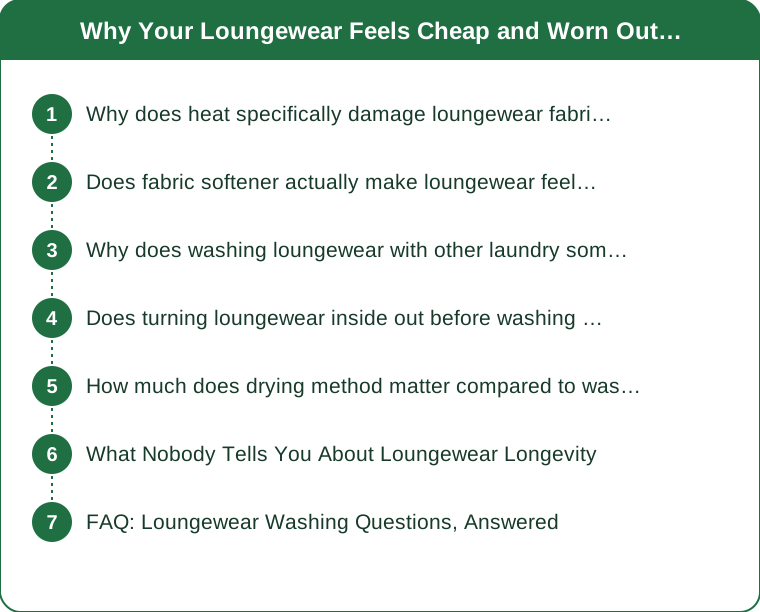
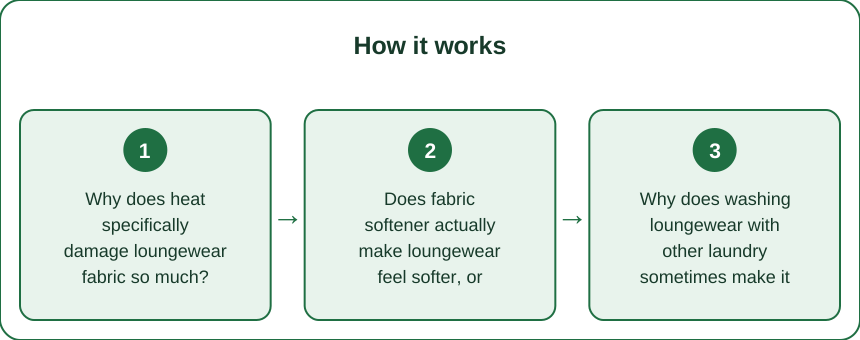
Why does heat specifically damage loungewear fabric so much?
Many loungewear fabrics use soft synthetic blends (modal, rayon, spandex blends) that are more heat-sensitive than sturdier cotton or denim, and high heat in both the wash cycle and the dryer breaks down the elasticity and softness of these fibers faster than the fabric’s actual lifespan should allow. Washing in cold water and using low heat or air drying preserves the fiber structure significantly longer than a standard hot wash and high-heat dry cycle.
Does fabric softener actually make loungewear feel softer, or is that a myth?
Counterintuitively, fabric softener coats fibers with a waxy residue that can initially feel soft but builds up over repeated washes, actually reducing the natural softness and breathability of moisture-wicking or performance-oriented loungewear fabrics over time. Many loungewear-specific fabrics are designed to feel soft on their own, and skipping fabric softener entirely — or using a vinegar rinse occasionally to strip residue — often restores softness that seemed lost.
Why does washing loungewear with other laundry sometimes make it pill faster?
Overloading the washer, or washing loungewear alongside rougher-textured items like towels or jeans, creates more friction during the wash cycle, which is one of the primary mechanical causes of pilling on soft fabrics. Washing loungewear in a smaller, gentler load — ideally with similar soft fabrics, or using a mesh laundry bag — reduces this friction significantly.
Does turning loungewear inside out before washing actually make a difference?
Yes — washing inside out means friction and abrasion happen against the inside of the fabric rather than the outward-facing surface, which is what actually shows pilling and wear visually. This is a near-zero-effort habit that measurably extends how long loungewear looks new.
How much does drying method matter compared to washing method?
Air drying, or using a low-heat or no-heat dryer setting, matters just as much as washing temperature for extending loungewear lifespan, since dryer heat is often more concentrated and damaging than washer heat. For fabrics with spandex or elastane blends specifically, high dryer heat degrades the elastic fibers responsible for stretch recovery, which is part of why loungewear can start feeling baggy and worn even before it looks visibly damaged.
What Nobody Tells You About Loungewear Longevity
Even genuinely high-quality loungewear will wear out fast under a hot-wash, high-heat-dry, fabric-softener routine — the fabric quality sets a ceiling on how long something could last, but washing habits determine whether you actually reach that ceiling or fall well short of it. Many people blame the brand or assume they just bought a lower-quality item, when switching washing habits on the exact same garment would have extended its lifespan considerably.
FAQ: Loungewear Washing Questions, Answered
Is cold water actually effective at cleaning loungewear properly?
Yes — cold water cleans most everyday loungewear effectively, especially with a quality detergent, and the cleaning difference versus hot water is minimal for normal wear and sweat.
How often should loungewear actually be washed?
Unless heavily sweated in, loungewear can often be worn 2-3 times between washes, which also reduces overall wear and extends its lifespan.
Are there specific detergents better suited to soft loungewear fabrics?
Gentle, residue-free detergents formulated for delicates or activewear tend to preserve softness better than heavy-duty detergents designed for tougher fabrics.
TL;DR:
- Hot water and high dryer heat break down soft synthetic loungewear fibers faster than expected
- Fabric softener buildup can reduce softness over time rather than preserving it
- Washing inside out and in smaller, gentler loads reduces pilling from friction
- Fabric quality sets a ceiling on lifespan, but washing habits determine whether you reach it
Before blaming the brand for loungewear that wore out fast, check the washing routine — cold water, no softener, and air drying usually make the biggest difference.
See It in Motion
Seen here: High Waist Jogger Sweatpants with Pockets — shop it on bubblelime.com
Keep Reading
This article is for general informational and styling purposes only. Fit, sizing, and product availability may vary.