Is Your Loungewear Actually Comfortable, or Just Familiar? Here's How to Tell
Quick Answer: True comfort means no restriction, no overheating, and no fabric you’re subconsciously adjusting throughout the day — familiarity just means you’ve stopped noticing the outfit’s actual flaws. A quick fabric and fit check reveals which one you’re actually dealing with.
What does ‘comfortable’ loungewear actually mean to you, versus what you’ve simply worn so many times you’ve stopped questioning it?
What’s the actual difference between comfort and familiarity?
Real comfort means the garment requires zero ongoing adjustment — you put it on and stop thinking about it. Familiarity just means repeated wear has made you unconsciously tolerate small frictions (a tight waistband, overheating fabric) that you’d notice immediately in something new.
How do you actually test which one you’re dealing with?
Track how many times you adjust the garment during a few relaxed hours — pulling at a waistband, rolling up sleeves because you’re too warm, repositioning a neckline. Genuinely comfortable pieces need close to zero adjustments; familiar-but-flawed ones need several you’ve just stopped noticing.
Does fabric composition matter more than most people think here?
Significantly — breathable natural fibers or fiber blends (cotton, modal, certain performance blends) regulate temperature and moisture in ways that stop you from overheating or feeling clammy, which is a common hidden discomfort in old, familiar loungewear made from less breathable fabric.

What’s the single most common ‘familiar but not comfortable’ item?
Waistbands that have stretched out unevenly from repeated wear and washing. They no longer sit correctly, causing subtle constant adjustment that’s become so habitual you may not register it as discomfort anymore.
How should I decide what to replace versus keep?
Do the adjustment count test above on your current rotation over a few days. Anything requiring frequent adjustment gets replaced first, regardless of how attached you feel to it — genuine comfort should be measurable, not just assumed from habit.
FAQ: Loungewear Comfort vs. Familiarity, Answered
Is more expensive loungewear automatically more comfortable?
Not automatically — price doesn’t guarantee fit or fabric quality; check the actual fabric composition and fit specifically rather than assuming cost correlates with comfort.
Should I replace all my old loungewear at once?
No — replace pieces gradually as you identify actual discomfort through the adjustment test, rather than discarding everything based on age alone.
Does loose fit always mean more comfortable?
Not necessarily — overly loose pieces can bunch, ride up, or require their own adjustments; the right amount of structure often outperforms pure looseness.
TL;DR:
- Real comfort needs zero ongoing adjustment; familiarity just means you’ve stopped noticing flaws
- Counting how often you adjust an outfit over a few hours reveals which one you actually have
- Breathable fabric composition matters more for genuine comfort than most people assume
- Stretched-out waistbands are the most common hidden discomfort in old, familiar pieces
See It in Motion
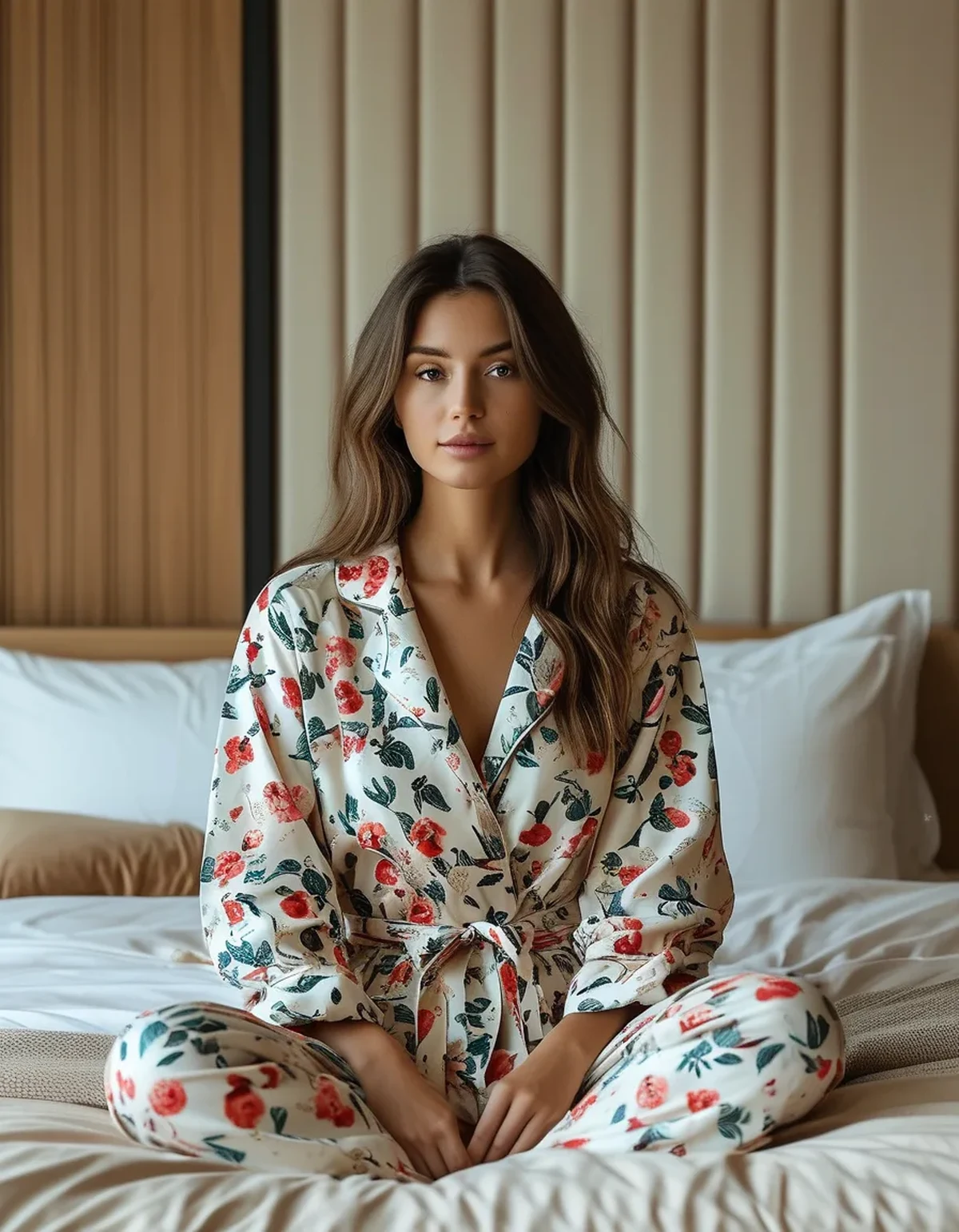
Seen here: Yoga Jogger Sweatpants with Pockets — shop it on bubblelime.com
Keep Reading
This article is for general informational and styling purposes only. Fit, sizing, and product availability may vary.