Is There Actually a Difference Between $30 and $100 Loungewear?
Quick Answer: Some of the price difference reflects genuine quality (fiber content, weave density, seam construction), but a meaningful portion also reflects brand markup — the most reliable way to judge value is checking fabric composition and weight, not price alone.
A $100 loungewear set isn’t automatically three times better than a $30 one, and a $30 set isn’t automatically a false economy. The honest answer requires actually looking at what you’re paying for, not just the price tag.

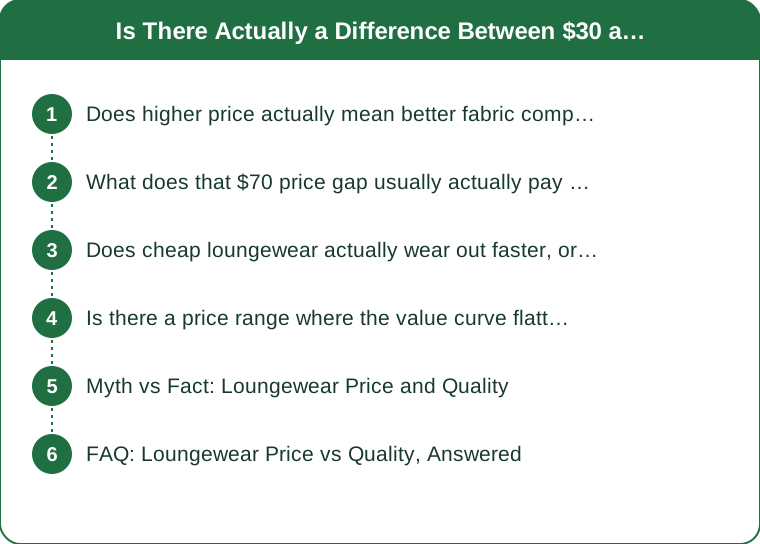
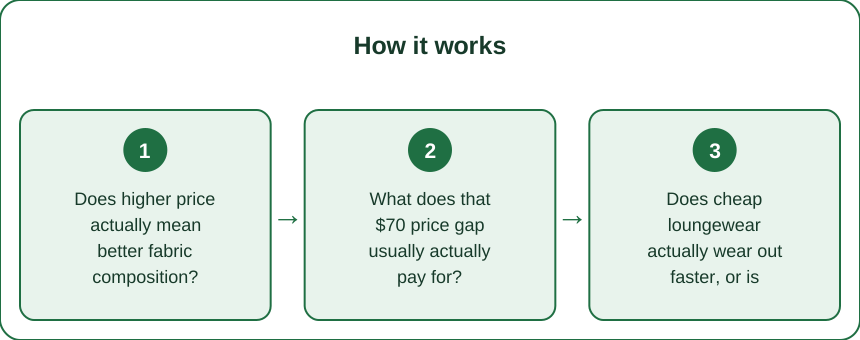
Does higher price actually mean better fabric composition?
Often, but not reliably. Higher elastane or modal content, tighter weave density, and heavier fabric weight (measured in GSM, grams per square meter) tend to correlate with higher prices, but plenty of mid-priced brands match premium fabric specs while charging less for brand name and marketing. Checking the actual fabric composition tag against the price is a more reliable value signal than price alone.
What does that $70 price gap usually actually pay for?
A mix of real and less-tangible factors: better stitching and seam finishing (a genuine durability factor), softer or more sustainable fiber sourcing, and — often the largest single line item — brand marketing and retail overhead, which doesn’t affect how the garment performs or lasts.
Does cheap loungewear actually wear out faster, or is that a myth?
It’s generally true, but the mechanism matters: lower elastane content and looser knit construction are the actual drivers of faster pilling and shape loss, and those specs do skew more common in lower price tiers — but a well-made budget piece with decent fabric specs can outlast a poorly made expensive one.

Is there a price range where the value curve flattens out?
Many fabric and quality reviewers point to a $40-60 range as where noticeable quality jumps start to plateau — pieces above that range often add brand premium and finishing touches rather than fundamentally better fabric performance, though there are exceptions, especially with specialty or sustainable fiber lines.
Myth vs Fact: Loungewear Price and Quality
Myth: If it’s expensive, it will definitely last longer. Fact: Fabric composition and construction — not price — are what actually predict longevity; some pricier pieces still use low elastane blends.
Myth: Cheap loungewear always feels cheap. Fact: Fabric weight and finish vary a lot even within budget tiers — checking reviews and fabric tags before buying catches this better than price assumptions.
FAQ: Loungewear Price vs Quality, Answered
What fabric spec should I check first when comparing price points?
Elastane percentage (look for 5%+ for stretch retention) and fabric weight if listed — these two numbers predict feel and durability better than price alone.
Are sustainable or organic loungewear lines worth the extra cost?
Often yes for fiber quality and environmental impact, though ‘sustainable’ marketing doesn’t always guarantee better stretch retention specifically — check the actual fabric blend regardless of the sustainability claim.
Is it worth buying one expensive set instead of three cheap ones?
It depends on your actual usage — if budget pieces genuinely hold up through your normal wash routine, cost-per-wear can favor buying more of the cheaper option; if they pill or sag within weeks, the math flips toward the pricier piece.
TL;DR:
- Price and quality correlate, but not reliably — check fabric composition and weight directly
- A meaningful part of higher prices reflects brand markup, not fabric performance
- Elastane content and knit construction are the real drivers of longevity, not price
- Value often plateaus around the $40-60 range for most loungewear categories
A quick fabric tag check is a better value signal than trusting the price tag alone.
See It in Motion
Seen here: High Waist Jogger Sweatpants with Pockets — shop it on bubblelime.com
Keep Reading
This article is for general informational and styling purposes only. Fit, sizing, and product availability may vary.